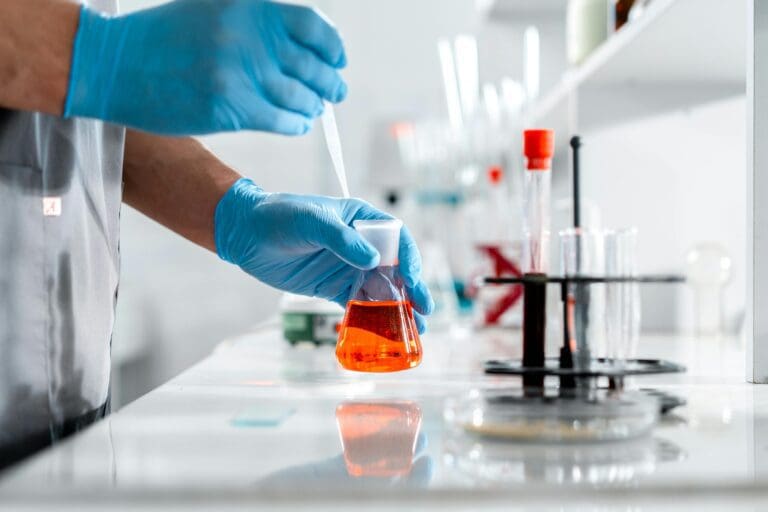
In a world where food safety is paramount, ensuring the quality of what we consume is non-negotiable. The increasing complexity of food supply chains and the rise of foodborne illnesses have spotlighted the critical role of food testing laboratories. Among these, NABL accredited food testing laboratories stand out as trusted pillars of public health and safety. These labs adhere to stringent standards, ensuring that your food undergoes rigorous testing for contaminants and quality parameters. Choosing NABL accredited facilities not only protects your health but also enhances consumer confidence in the products you bring home. In this article, we will delve into the significance of these accredited laboratories, emphasizing how they contribute to a safer, healthier food environment for everyone. Join us as we unlock the concept of food quality and the vital role accredited testing plays in safeguarding your wellbeing. Your safety deserves nothing less!
Understanding NABL Accreditation
NABL, or the National Accreditation Board for Testing and Calibration Laboratories, is an autonomous body under the Quality Council of India. It is responsible for accrediting testing and calibration laboratories, ensuring they meet international standards. Accreditation by NABL signifies that a laboratory is competent to perform specific tests and calibrations, adhering to strict protocols and quality measures. This accreditation is based on the international standard ISO/IEC 17025, which outlines the general requirements for the competence of testing and calibration laboratories. The process of obtaining NABL accreditation is rigorous and involves multiple stages, including application review, assessment, and periodic re-assessment to ensure continuous compliance.
The significance of NABL accreditation cannot be overstated. It serves as a benchmark for quality and reliability, assuring consumers and stakeholders that the laboratory's test results are accurate and dependable. Laboratories seeking NABL accreditation must demonstrate their technical competence, including the qualifications of their staff, the reliability of their equipment, and the effectiveness of their quality management systems. This comprehensive evaluation ensures that only laboratories meeting high standards receive accreditation, fostering trust and confidence in their testing capabilities. Additionally, NABL accreditation is recognized internationally, enabling laboratories to participate in global trade and collaboration, further emphasizing its importance.
For food testing laboratories, NABL accreditation holds particular value. The food industry is subject to stringent regulations and standards to ensure the safety and quality of products consumed by the public. NABL accredited food testing laboratories are equipped to perform a wide range of tests, from detecting contaminants and pathogens to analyzing nutritional content and verifying label claims. By adhering to NABL standards, these laboratories ensure that their testing processes are robust, accurate, and reliable, ultimately safeguarding public health and enhancing consumer trust. In an era where food safety concerns are increasingly prevalent, NABL accreditation serves as a vital tool for maintaining the integrity and quality of the food supply chain.
The Role of Food Testing Laboratories
Food testing laboratories play a crucial role in ensuring the safety and quality of food products. These laboratories are responsible for conducting various tests to detect contaminants, pathogens, and other harmful substances that may pose risks to public health. By analyzing food samples, they help identify potential hazards and ensure that food products meet regulatory standards and guidelines. The work of food testing laboratories is essential in preventing foodborne illnesses, protecting consumers from harmful substances, and promoting overall food safety.
One of the primary functions of food testing laboratories is to detect and quantify contaminants in food products. These contaminants can include heavy metals, pesticides, mycotoxins, and other harmful chemicals that may be present due to environmental pollution, agricultural practices, or food processing methods. By identifying and measuring these contaminants, food testing laboratories help ensure that food products are safe for consumption and comply with regulatory limits. This process is critical in preventing adverse health effects and ensuring that food products do not pose risks to consumers.
In addition to detecting contaminants, food testing laboratories also play a vital role in identifying pathogens that can cause foodborne illnesses. Pathogens such as Salmonella, E. coli, Listeria, and Campylobacter can contaminate food products and lead to severe health issues if consumed. Food testing laboratories use advanced techniques and technologies to detect these pathogens and assess their presence in food samples. By identifying and controlling the spread of these harmful microorganisms, food testing laboratories help prevent outbreaks of foodborne illnesses, safeguarding public health and enhancing consumer confidence in the food supply chain.
Importance of Food Safety Standards
Food safety standards are essential for protecting public health and ensuring the quality and safety of food products. These standards are established by regulatory authorities and international organizations to provide guidelines and requirements for the production, processing, and distribution of food. By adhering to food safety standards, food producers and manufacturers can minimize the risks of contamination, prevent foodborne illnesses, and ensure that food products are safe for consumption. The importance of food safety standards cannot be overstated, as they play a critical role in maintaining the integrity of the food supply chain and protecting consumers from potential health hazards.
One of the key benefits of food safety standards is that they provide a framework for identifying and controlling potential hazards in the food production process. This includes implementing good manufacturing practices (GMP), hazard analysis and critical control points (HACCP) systems, and other preventive measures to ensure that food products are free from contaminants and harmful substances. By following these standards, food producers can reduce the risk of contamination and ensure that their products meet regulatory requirements. This not only protects consumers but also enhances the reputation and credibility of food producers in the marketplace.
Food safety standards also play a vital role in promoting consumer confidence and trust in the food supply chain. When consumers are assured that food products have been produced, processed, and tested according to rigorous safety standards, they are more likely to trust and purchase these products. This confidence is particularly important in today's globalized food market, where food products are sourced from various countries and regions. By adhering to international food safety standards, food producers can ensure that their products meet the expectations of consumers worldwide, fostering trust and loyalty in their brands.
Moreover, food safety standards contribute to public health by preventing foodborne illnesses and reducing the incidence of food-related health issues. By establishing guidelines for safe food handling, processing, and distribution, these standards help minimize the risk of contamination and the spread of pathogens. This is particularly important given the increasing complexity of the food supply chain and the potential for cross-contamination at various stages of production. By following food safety standards, food producers can play a proactive role in protecting public health and ensuring that food products are safe for consumption.
Future Trends in Food Testing and Safety
The field of food testing and safety is continuously evolving, driven by advancements in technology, changing consumer demands, and emerging food safety challenges. One of the significant future trends in food testing is the adoption of advanced analytical techniques and technologies. Innovations such as high-resolution mass spectrometry, next-generation sequencing, and portable testing devices are revolutionizing the way food testing is conducted. These technologies offer increased sensitivity, accuracy, and speed in detecting contaminants and pathogens, enabling laboratories to identify potential hazards more effectively. The integration of these advanced techniques into food testing processes will enhance the overall quality and reliability of test results.
Another emerging trend in food testing is the focus on real-time and on-site testing capabilities. Traditional food testing methods often involve sending samples to centralized laboratories, which can result in delays in obtaining test results. Real-time and on-site testing technologies, such as biosensors and rapid diagnostic kits, allow for immediate detection and analysis of contaminants and pathogens at the point of sampling. This enables quicker decision-making and more timely interventions to address food safety issues. The development and implementation of these rapid testing solutions will play a crucial role in enhancing food safety and preventing contamination incidents.
In addition to technological advancements, there is a growing emphasis on data analytics and digitalization in food testing. The use of big data analytics, artificial intelligence, and machine learning algorithms can help identify patterns, trends, and potential risks in food safety data. By analyzing large volumes of data from various sources, including testing results, production records, and supply chain information, laboratories and food producers can gain valuable insights into potential hazards and take proactive measures to mitigate risks. Digitalization also facilitates the integration of traceability systems, enabling real-time tracking and monitoring of food products throughout the supply chain. This increased transparency and traceability enhance food safety and build consumer trust.
Furthermore, the future of food testing and safety is likely to see an increased focus on sustainability and environmental impact. With growing concerns about environmental pollution, climate change, and resource depletion, there is a need for more sustainable and eco-friendly food testing practices. This includes reducing the use of hazardous chemicals, minimizing waste generation, and adopting green technologies in laboratory operations.